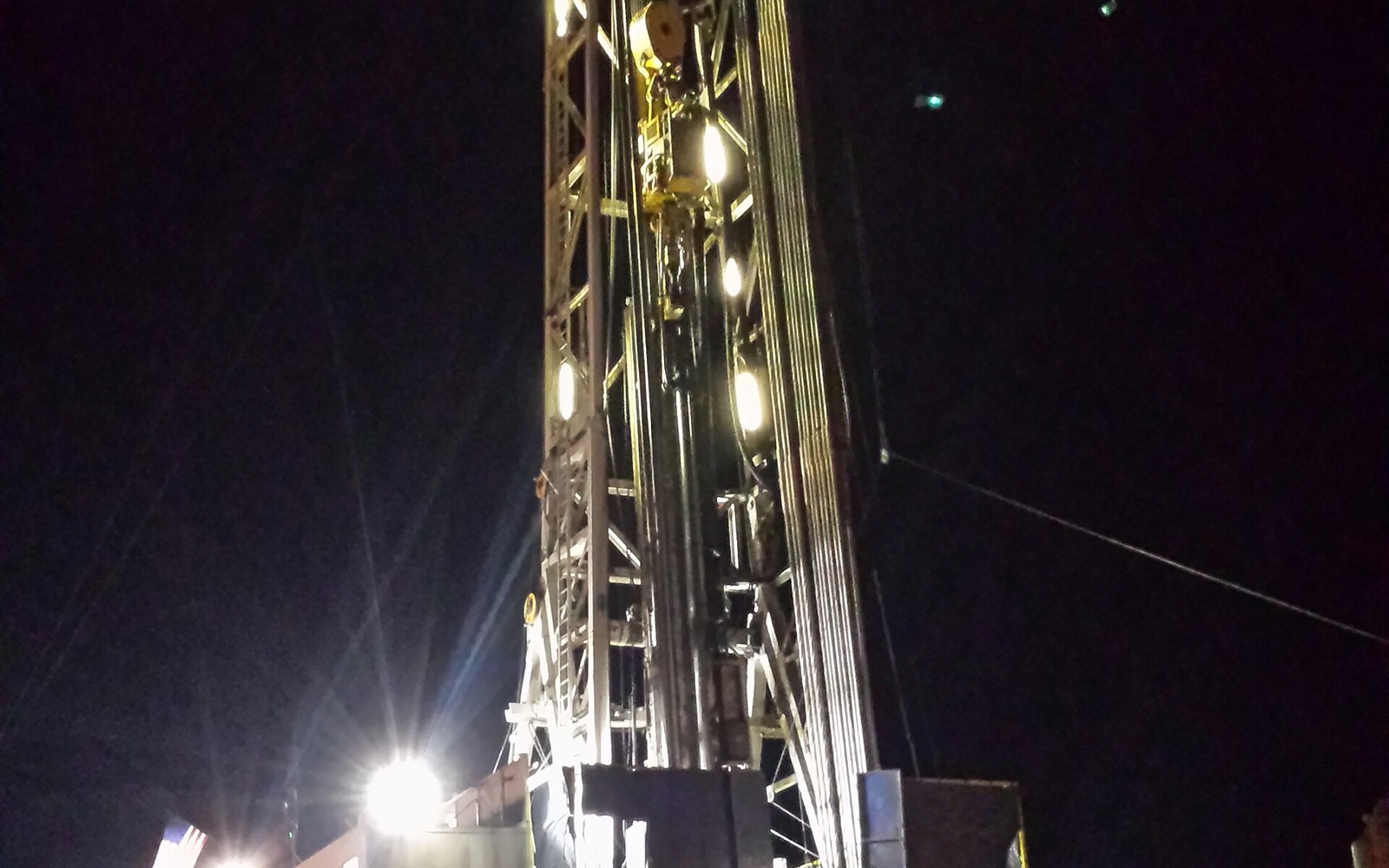
The Tuscaloosa Marine Shale drew heavy leasing activity between 2010 and 2014 that mostly didn't turn into lasting production, and an honest accounting of that is the right place to start.
The Tuscaloosa Marine Shale underlies parts of southern Louisiana and southwest Mississippi, and it was leased aggressively during the broader shale land rush of the early 2010s on the expectation that horizontal drilling techniques proven elsewhere would work here too. In practice, well costs and completion challenges specific to this formation made much of that early drilling uneconomic, and development largely stalled well before the play reached the scale seen in other major shale basins. Today, most Tuscaloosa Marine Shale mineral interests we evaluate are under leases from that 2010 to 2014 window, many with limited or no current production.
We think it's important to be direct about that history upfront, because a fair valuation here depends on an honest read of your specific lease and tract status rather than expectations set by the play's early promotional period.
Why this play stalled and what that means today
The Tuscaloosa Marine Shale's rock characteristics made horizontal completions more difficult and expensive relative to other contemporaneous shale plays, and as drilling results came in below expectations, operator activity slowed sharply after the initial 2010 to 2014 leasing and early drilling wave. Some wells were drilled and produced for a period; a larger share of leased acreage across the play saw no drilling at all. We check the specific status of your tract directly, since outcomes vary significantly even within the same play.
Lease status on non-producing acreage
If your minerals were leased during the original boom but no well was ever drilled on your specific tract, the lease's primary term and any extension or delay rental provisions determine whether it's still in effect or has expired back to you. We review the lease terms and, where possible, confirm current status with available records, since an expired lease actually simplifies a sale in some respects — it means there's no existing operator relationship to account for, just a clean mineral interest.
Title review across Louisiana and Mississippi
Core Tuscaloosa Marine Shale counties and parishes, including St. Helena, East Feliciana, and Wilkinson County across the state line, saw a wave of lease acquisitions during the boom years that sometimes complicated older title chains with new instruments. We work through this directly during diligence, confirming what's current, what's expired, and what your clean, sellable interest actually looks like today.
What we ask for before pricing your interest
The original lease from the 2010 to 2014 leasing wave is the most important document for a Tuscaloosa Marine Shale review, since its primary term and extension provisions determine whether it's still in effect. If you're not sure whether your lease is still active, we can check the well or unit status directly through Louisiana and Mississippi regulatory records rather than requiring you to determine that yourself.
For tracts where no well was ever drilled, confirming lease status is really the whole diligence process, after which pricing reflects your clean, unencumbered mineral interest.
Questions Owners Ask Before Closing
Is the Tuscaloosa Marine Shale still being developed?
Activity slowed sharply after the initial 2010 to 2014 leasing and drilling wave produced disappointing results relative to well costs. Some legacy production continues on tracts that were drilled; much of the play saw limited or no drilling. We check your specific tract's status directly.
Your minerals were leased years ago but no well was ever drilled. Is the lease still active?
It depends on the lease's primary term and any extension provisions. Many leases from this play's boom years have since expired without a well being drilled, which we confirm during diligence; an expired lease can actually simplify your sale.
Is your mineral interest worth anything if there's no current production?
Non-producing minerals still have value, particularly if the lease has expired and you hold a clean, unencumbered interest. Valuation reflects the tract's actual status rather than a blanket assumption based on the play's disappointing overall history.
Why did this play not develop the way other shale plays did?
The formation's specific rock characteristics made horizontal completions more difficult and expensive here than in some other contemporaneous plays, and results came in below what the initial leasing wave anticipated. This is a documented, play-wide pattern rather than something specific to any one tract.
Will the closing desk state plainly whether a lease has expired?
Yes, we check the lease's terms against the well or unit's actual history and give you a straightforward answer rather than an ambiguous one.
Will an expired lease need to be cleaned up before you sell?
Generally not from your side. We confirm the lease has lapsed as part of diligence and structure the purchase around your clean, currently unencumbered mineral interest.
Could this play see renewed development in the future?
It's possible if well costs or commodity pricing shift favorably, though nothing currently indicates an imminent change. We price based on documented current status, not speculation about future development.
Related Guides
Selling Michigan Antrim Shale minerals? A straightforward look at this decades-old biogenic gas play, legacy leases, and how a sale works.
Read >>Selling Alabama Black Warrior Basin coalbed methane minerals? Learn how CBM gas ownership questions and mature production affect a sale.
Read >>Selling Anadarko Basin minerals in Oklahoma or the Texas Panhandle? Learn how OCC forced pooling and deep-basin title review shape the purchase.
Read >>