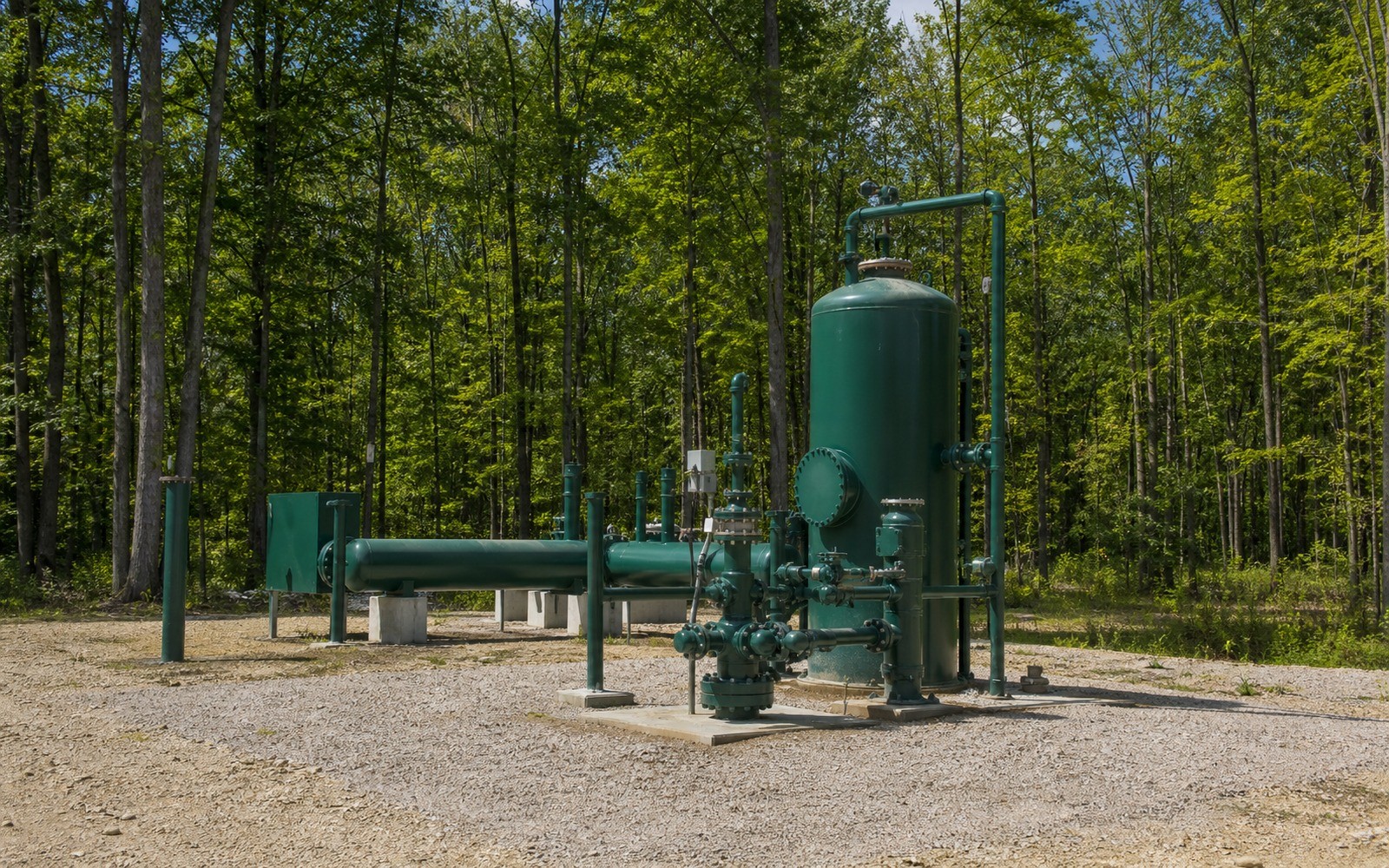
Antrim Shale wells were mostly drilled in the 1980s and 1990s, so if you're holding minerals in this play, you're almost certainly dealing with a lease and a well older than most other plays we work with.
The Antrim Shale, centered in Michigan's northern Lower Peninsula, produces biogenic natural gas from a shallow formation that was developed heavily in the 1980s and 1990s, well before the modern horizontal shale boom in other basins. That timing shapes almost everything about a purchase here: wells are old, decline curves settled into their long-term pattern decades ago, and title chains have often passed through multiple generations since the original lease was signed.
This is a quieter, more stable corner of the mineral rights market than newer shale plays, and we approach it that way — grounded in the well's actual current production and a careful title review rather than speculation about new drilling.
Shallow, biogenic gas and stable long-term decline
Unlike thermogenic shale gas formed under high heat and pressure at depth, Antrim Shale gas is largely biogenic, generated by microbial activity at relatively shallow depths, which gives these wells a different production character than deeper shale plays — generally lower initial rates but a long, gradually declining tail that many wells have sustained for two or three decades. We review your well's specific production history against this long-term pattern to understand what income level is realistic going forward, rather than comparing it to steeper-decline plays elsewhere.
Legacy lease terms from an earlier era of gas development
Leases in this play typically predate the more standardized post-production deduction language common in leases signed during the 2000s and 2010s shale boom, which means Antrim leases can have simpler, sometimes more favorable royalty terms, though every lease is different and needs individual review. We pull the original lease and any amendments during diligence to confirm exactly what royalty terms currently govern your interest before structuring an offer.
Multi-generation title chains in northern Michigan counties
Given that most active leases here are thirty to forty years old, it's common for the current owner to be a grandchild or great-grandchild of the person who originally signed. We trace the full chain of conveyances and any probate or heirship documentation through Michigan county records in the core Antrim counties like Otsego, Antrim, and Otsego, confirming your exact fractional share before we make an offer.
What to gather before we start a review
A current or recent royalty statement is the most useful starting point, since it confirms which operator and well your interest is tied to and gives us a baseline production figure. If you don't have a recent statement, we can typically identify the correct operator using your county and legal description and request current status directly.
We also ask whether you're aware of any other family members who share the same original mineral interest, since Antrim Shale ownership is so often split across a family. Identifying co-owners early avoids delays later in the title process if a sale needs to close on multiple fractional shares at once.
Questions Owners Ask Before Closing
Is the Antrim Shale still producing after all these years?
Many Antrim wells continue producing at low, stable volumes decades after initial completion, reflecting the play's characteristic long, gradual decline. We check your specific well's current production as part of diligence rather than assuming it's stopped simply because of the play's age.
How do you find your original family lease if it's decades old?
We can typically retrieve lease and conveyance documents directly from county clerk records even for older Antrim leases, so you don't necessarily need to locate original paper copies yourself.
Your grandparent originally signed the lease. How do you prove you now own the interest?
We'll need documentation showing how the interest passed to you, such as probate records, a will, or an affidavit of heirship, which we help identify and gather as part of the title review before closing.
Are Antrim Shale royalty terms different from newer shale leases?
Often, yes. Because these leases predate more recent, deduction-heavy standard language, some Antrim leases carry simpler royalty terms, though this varies by lease and needs individual confirmation, which we handle during diligence.
Do you need the original 1980s or 1990s lease document to sell?
No, we can retrieve it from county records if you don't have your own copy. A recent statement or even just your legal description is enough to start.
Does it matter that the well on your tract is one of the older, original 1980s wells?
Not for whether we'll buy it. We evaluate current documented production regardless of when the well was originally drilled, and many original-era Antrim wells are still steadily producing today.
Do you buy interests where the well has been temporarily shut in?
Yes, a temporary shut-in doesn't disqualify a tract. We check the reason and expected duration as part of confirming current status before structuring an offer.
Can you buy an interest even if the operator has changed hands over the decades?
Yes, operator changes are common over a well's multi-decade life in this play. We confirm the current operator directly from recent statements or state production records before pricing.
Related Guides
Selling Alabama Black Warrior Basin coalbed methane minerals? Learn how CBM gas ownership questions and mature production affect a sale.
Read >>Selling Anadarko Basin minerals in Oklahoma or the Texas Panhandle? Learn how OCC forced pooling and deep-basin title review shape the purchase.
Read >>Selling Oklahoma SCOOP or STACK minerals? Learn how OCC forced pooling, overlapping formations, and horizontal spacing units shape the sale.
Read >>