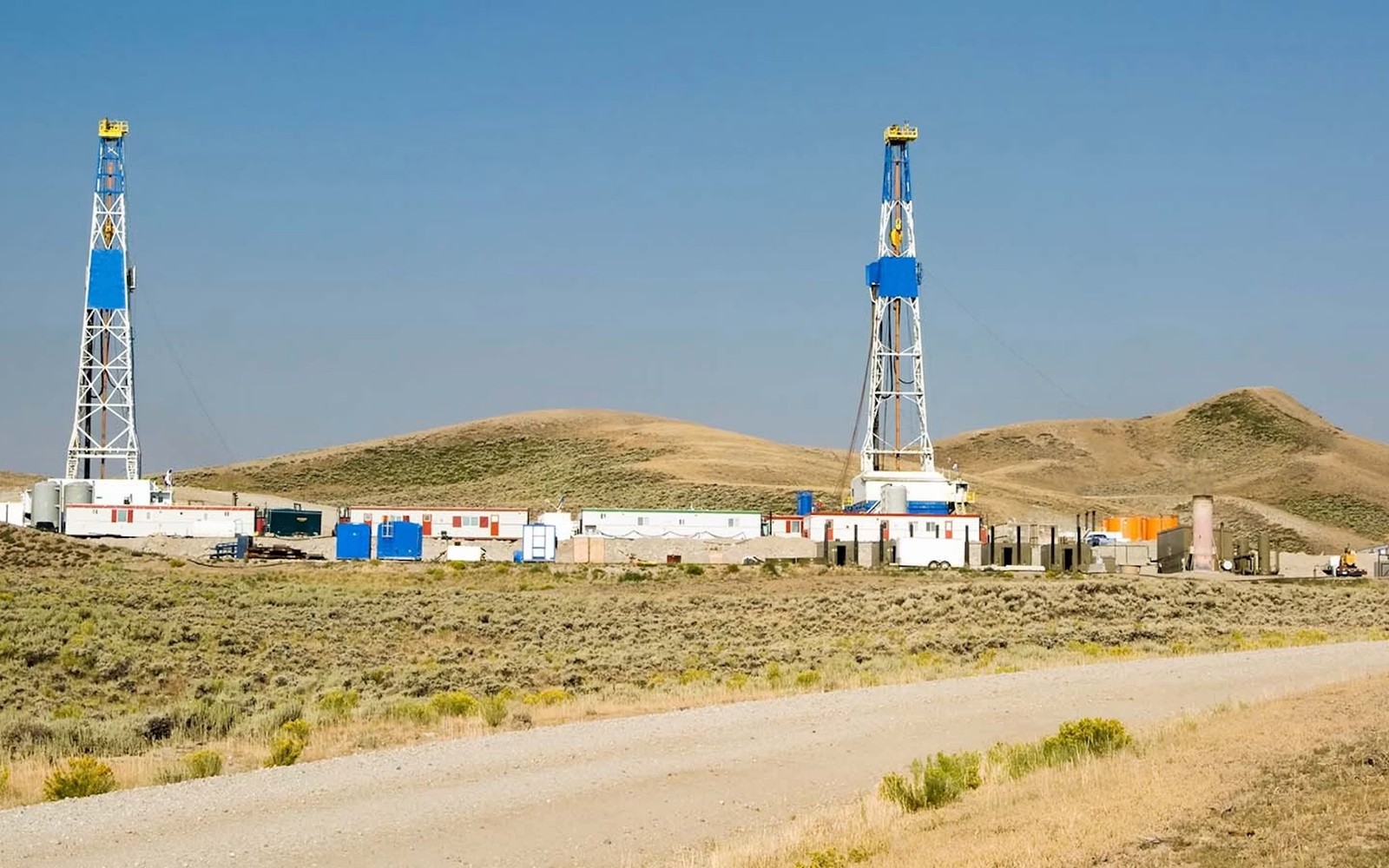
Piceance Basin drilling slowed sharply after the late-2000s natural gas price collapse, and an honest read of current activity is more useful here than relying on the basin's earlier reputation.
The Piceance Basin in northwest Colorado holds one of the country's largest tight gas resources in the Mesaverde formation, developed intensively through the mid-2000s before falling natural gas prices made much of that development uneconomic and activity slowed considerably. Some Piceance tracts still have production from wells drilled during that earlier active period, while large areas of the basin have seen little to no new drilling in recent years.
For a mineral owner here, the purchase process is standard, but the valuation conversation depends heavily on an honest look at your specific tract's current status rather than the basin's more active history from over a decade ago.
What current Piceance Basin activity actually looks like
Federal land makes up a substantial portion of the Piceance Basin's mineral base, and BLM leasing activity here has been more muted in recent years compared to the mid-2000s peak, with natural gas pricing remaining the central factor in whether operators pursue new drilling in a tight gas basin with meaningful well costs. We check current permitting, and specifically whether the well or unit tied to your minerals is still actively producing, shut in, or otherwise quiet, since this basin has more variability in current status than more consistently active plays.
Mesaverde production history and long-term decline
Wells targeting the Mesaverde in this basin were often drilled in dense patterns during the 2000s boom, and many have now settled into a long, low-decline production tail typical of mature tight gas wells. We evaluate your well's actual current production against its full history, since a tract with a well still producing steadily from that earlier development wave can still represent real, though modest, ongoing value.
Title review in Garfield and Rio Blanco Counties
Core Piceance Basin counties, Garfield and Rio Blanco, have reasonably maintained county clerk records, and because much of the basin's leasing activity concentrated in a specific window in the 2000s, title chains are moderately aged but generally traceable. We confirm the chain of title and current lease status as part of standard diligence, being upfront if a specific tract's activity level is limited before structuring an offer.
What we ask for before pricing your interest
A recent royalty statement, where one exists, tells us the most about a Piceance Basin tract's current status, since activity here varies more than in steadier basins. If your well has gone quiet or you're unsure of its current status, we can check directly with the operator or Colorado's oil and gas regulator rather than requiring you to track that down yourself.
We also review the original lease terms, since older Piceance leases sometimes include shut-in royalty provisions relevant to tracts that have seen reduced activity since the basin's mid-2000s peak.
Questions Owners Ask Before Closing
Is the Piceance Basin still an active gas play?
Activity has been notably quieter since the late-2000s natural gas price decline made much of the basin's tight gas development less economic. Some areas still have producing legacy wells; others have seen little recent activity. We check your specific tract's current status directly.
Why did Piceance Basin drilling slow down so much?
A sharp decline in natural gas prices after the mid-2000s development peak made much of the basin's higher-cost tight gas drilling less attractive relative to other basins, and activity has remained comparatively muted since. This is a documented, basin-wide pattern, not specific to your tract.
Is your mineral interest still worth anything if there hasn't been new drilling recently?
If your tract has an existing producing well, it can still generate steady, if modest, income from that legacy production even without new drilling nearby. We evaluate current, documented production for your specific well before making an offer.
Does federal BLM leasing affect your private minerals here?
It can affect unit configuration if your tract is near or checkerboarded with federal leasehold, similar to other Rocky Mountain basins, though it doesn't change your underlying ownership. We confirm this during diligence.
How do you find out if your well is still active?
We check directly with the operator and Colorado regulatory records as part of diligence, so you don't need to track this down yourself before reaching out.
Do you buy minerals in areas with no recent drilling activity at all?
Yes, we still evaluate these tracts, particularly if there's existing legacy production or lease activity to review, and we're direct about how limited current activity affects the offer.
Would the closing desk contact an owner if activity picked up after a sale?
Once a sale closes, the interest and any future activity belong to the buyer. That's worth weighing carefully, which is why we encourage sellers to ask questions before closing, not after.
Should you expect a slower response given this basin's quieter activity?
No, our review timeline is similar regardless of basin activity level. A quieter basin simply means the offer reflects more modest current production, not a slower process to get there.
Related Guides
Selling Utah Uinta Basin minerals? Learn how waxy crude logistics, federal and Ute tribal minerals, and horizontal development affect a sale.
Read >>Selling Wyoming Green River Basin minerals near Pinedale or Jonah Field? Learn how federal BLM leasing and tight gas activity shape a sale.
Read >>Selling Arkansas or Louisiana Smackover Formation minerals? Learn how legacy oil production and new lithium brine interest affect a sale.
Read >>