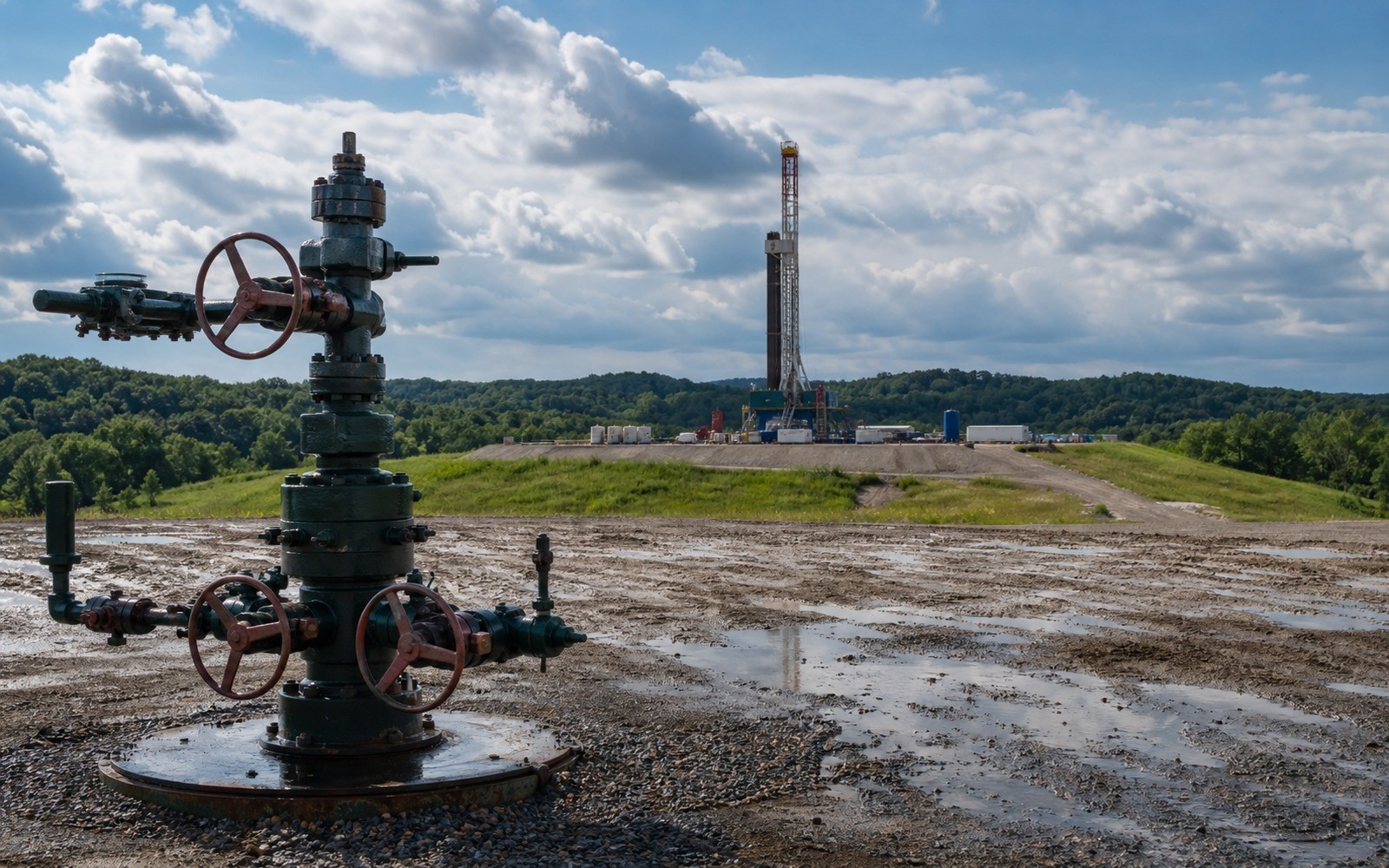
Fayetteville Shale drilling has slowed substantially since its mid-2010s peak, and an honest conversation about that is the right starting point before we talk about your minerals.
The Fayetteville Shale in north-central Arkansas was one of the earlier major shale gas plays, developed heavily through the late 2000s and into the mid-2010s before natural gas pricing and the emergence of lower-cost plays elsewhere caused operator activity to slow considerably. Today, most Fayetteville tracts we evaluate are under legacy leases with long production histories, often on wells that have declined well past their early peak, and some units in the play have seen operators reduce activity or shift focus elsewhere entirely.
That's not a reason to avoid selling — mature, low-decline gas production is still a real income stream and still has value — but it does mean the conversation should be grounded in what's actually happening on your tract right now rather than the play's more active years.
What current activity in the Fayetteville actually looks like
Compared to its peak development years, permitting and new drilling activity across the Fayetteville Shale footprint have slowed considerably, and some wells drilled during the boom have been shut in or plugged as they reached the end of their economic life. We check the current operational status of the specific well or unit tied to your minerals — actively producing, shut in, or plugged and abandoned — since that status materially changes both the interest's current income and its realistic near-term outlook.
Long-tail production and what it means for valuation
Wells that have been producing for a decade or more in this play have typically settled into a long, low-decline tail of gas production rather than the steep early decline curve seen in a newer well. That can mean smaller checks than the play's early years but also a more predictable, stable production profile going forward, which we weigh directly in how we price a legacy Fayetteville interest — we're not comparing it to newer, higher-decline shale plays, we're evaluating it on its own mature production curve.
Title review on older Arkansas leases
Because most active Fayetteville leases were signed well over a decade ago, title chains here commonly include at least one generation of inheritance since the original owner signed. Arkansas county clerk records in the core Fayetteville counties like Van Buren, Cleburne, and Conway are generally accessible, and we confirm the full chain of title and any heirship documentation as part of standard diligence before making an offer.
What we ask for before pricing your interest
A recent royalty statement is the most useful document for confirming current status, since it tells us immediately whether the well is producing, at what level, and under what operator. If you haven't received a statement recently, that itself is informative, and we'll check directly with the operator or Arkansas Oil and Gas Commission records to confirm whether the well is shut in or plugged.
We also review the original lease terms, since some legacy Fayetteville leases include provisions around shut-in royalties or continuous development that can affect how a currently idle well's status should be interpreted.
Questions Owners Ask Before Closing
Is the Fayetteville Shale still an active play?
Development has slowed substantially from its mid-2010s peak, and some operators have reduced activity or moved on to other basins. Existing wells continue producing, often at mature, lower-decline volumes, and we evaluate your specific tract's current status directly rather than relying on the play's earlier reputation.
Your well seems to be producing much less than it used to. Is it still worth selling?
Yes, mature, low-decline gas production still generates real income and still has value. We price based on the well's current, documented production rather than its historical peak.
What if your well has been shut in or plugged?
We check current operational status as part of diligence. A shut-in well may still hold value depending on the reason and outlook; a plugged well changes the picture significantly, and we're upfront about how that affects an offer.
How old are typical active leases in this play?
Most active Fayetteville leases date to the play's main development period roughly a decade to fifteen years ago, so title chains commonly include at least one round of inheritance, which we account for in standard diligence.
Will the closing desk state plainly when a well appears near the end of its life?
Yes. We price based on documented current status and are direct about what a well's production trend suggests, rather than presenting an inflated picture.
Should you expect an offer close to what neighbors received years ago?
Not necessarily. Activity and pricing have changed substantially since this play's peak years, so we base an offer on your tract's current documented status rather than historical comparisons from a much more active period.
Are there still any active operators drilling new wells in this play?
Activity is much reduced from the play's peak, though some operators maintain limited activity in select areas. We check current permitting for your specific county rather than assuming basin-wide status.
Related Guides
Selling North Dakota or Montana Bakken minerals? Learn how Three Forks bench stacking and Fort Berthold trust land affect a purchase.
Read >>Selling Marcellus Shale gas minerals in Pennsylvania or West Virginia? Learn how state-specific pooling law and deduction disputes shape the sale.
Read >>Selling Ohio Utica Shale minerals? Learn how the deeper Utica interacts with Marcellus rights above it, plus Ohio's mandatory pooling process.
Read >>